Frequencies
Sound Healing: When Vibration Becomes Medicine
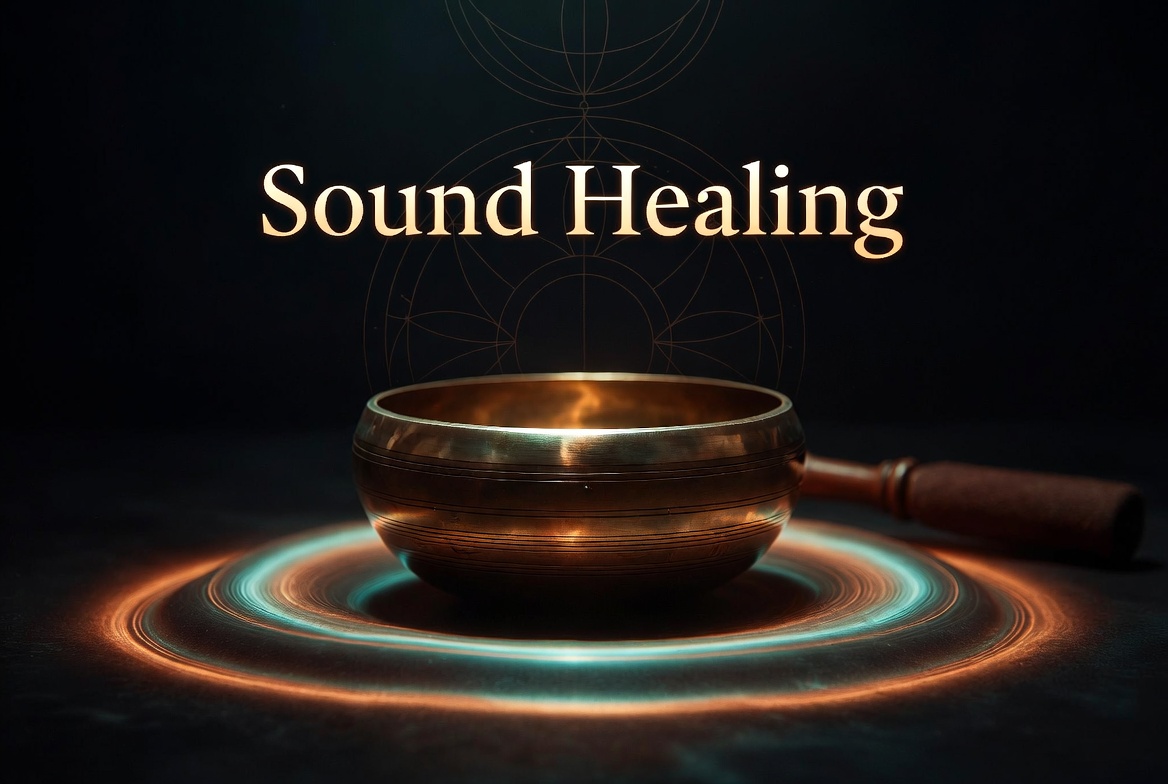
Your body is mostly water, and water carries vibration extremely well. That simple fact sits underneath one of the oldest healing practices on earth. Long before pills or clinics, people gathered around drums, bells, chants, and bowls, using sound directly on the body and mind. Modern research is finally starting to catch up to what those traditions already understood.
Sound healing uses tuning forks, singing bowls, chanting, gongs, and specific frequencies to shift the body out of stress and into a calmer, more balanced state. It is not just relaxing background noise. It is a deliberate use of vibration as a tool.
What the Research Actually Shows
One of the most cited studies in this field, published in 2017 in the Journal of Evidence-Based Complementary and Alternative Medicine, looked directly at Tibetan singing bowl meditation. Sixty-two adults took part in a sound meditation session. Before and after, researchers measured their tension, anger, fatigue, and mood using established psychological scales. The results were significant, tension, anger, fatigue, and depressed mood all dropped by a statistically meaningful amount. People who had never tried this kind of meditation before actually experienced a bigger drop in tension than people who had done it many times, meaning you do not need years of practice to feel the effect.
A later systematic review pulled together multiple singing bowl studies across general adults, people with emotional distress, and even cancer patients. Across those studies, researchers consistently found reduced anxiety and depressive symptoms, improved quality of life, increased heart rate variability, which is a real marker of nervous system health, and lower heart rate overall. Some studies even picked up increases in delta and theta brainwaves, the slower wave patterns linked to deep relaxation and meditative states.
Why Vibration Reaches the Body Directly
Unlike a thought or an idea you have to consciously process, sound is physical. It moves through the air and through your body as literal pressure waves. Slow, low frequency tones can guide the nervous system out of fight or flight the same way a deep exhale does, and repetitive, resonant tones appear to help the brain shift into the slower wave states associated with rest and healing. Researchers are still mapping the exact mechanism, but the measured outcomes, lower heart rate, better mood scores, increased heart rate variability, are not up for debate. Those are real, recorded numbers.
What Basic Sound Healing Looks Like
You do not need a Tibetan bowl collection to start. Lying or sitting comfortably while listening to a single sustained tone, a singing bowl, a tuning fork, or even a well recorded frequency track, is enough to begin. Many people simply close their eyes and let the sound wash over them without trying to do anything else, no forced breathing, no specific technique required, just presence with the vibration.
Famous Examples
Tibetan monks have used singing bowls in ceremony for centuries, long before any lab existed to measure the effect. Modern sound bath sessions, where people lie down in a room filled with gong and bowl tones, have grown popular enough that major hospitals and cancer centers now offer them as complementary support alongside standard treatment. Musician and researcher Mitchell Gaynor, an oncologist at Cornell, was one of the first physicians to formally bring singing bowls into cancer care, working directly with patients undergoing conventional treatment.
The Honest Summary
Sound healing will not replace chemotherapy, medication, or medical treatment when you need it. But the research base here is more solid than a lot of people realize, published, peer reviewed, and repeated across multiple independent studies. This is not just a feeling people report. It shows up in blood pressure, heart rate variability, and brain wave patterns too.
Ready to experience sound healing for yourself?
Explore our healing music library and find tracks built around the same vibrational principles this research keeps confirming.
